
The short answer
Yes, Prime Choice HVAC Repair Service serves Lexington Hills, about 12 miles south of San Jose in Santa Clara County. We repair and install air conditioners, furnaces, heat pumps, and ductless mini-splits, and we offer maintenance, duct cleaning, and indoor air quality work.
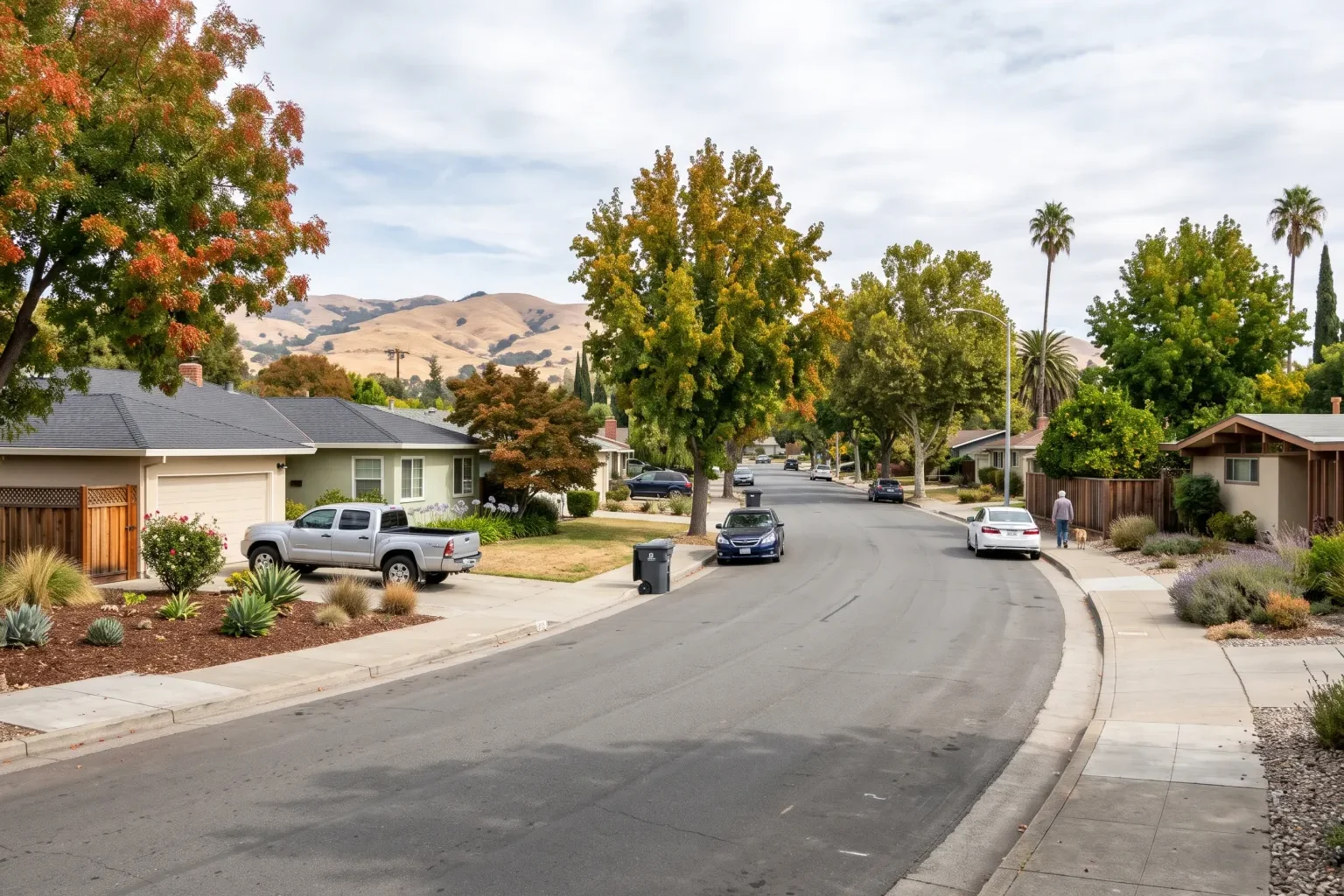
Lexington Hills is an unincorporated community in Santa Clara County, about 12 miles south of our base in San Jose. Homes here sit in hillside, wooded terrain, and the drive up from the valley floor is part of every service call we plan. Prime Choice HVAC Repair Service handles heating and cooling repairs, new installations, and routine maintenance for Lexington Hills homeowners. We also serve the nearby communities of Los Gatos, Monte Sereno, Saratoga, Campbell, and Cupertino. This page covers what we do in Lexington Hills and the local conditions that shape your heating and cooling choices.
HVAC Services We Offer in Lexington Hills
We handle the full range of residential heating and cooling work, from a furnace that won't light on a cold morning to planning a whole-home switch to electric heat. We start every visit by finding out what is actually wrong. Then we explain your options in plain terms before any work begins.
- AC repair and AC installation
- Heating repair, furnace repair, and furnace installation
- Heat pump installation
- Ductless mini-split installation
- HVAC maintenance
- Duct cleaning
- Indoor air quality improvements
How the Local Climate Affects Your System
The Santa Clara Valley has a Mediterranean climate: dry summers and mild, damp winters. Inland and southern parts of the valley run noticeably hotter in summer than areas near the Bay. Hillside homes like those in Lexington Hills can see their own mix of conditions. Winter heating often matters as much as summer cooling.
That pattern puts steady demand on both sides of your system. A furnace or heat pump may run through long, damp stretches of winter. Your air conditioning then has to handle dry heat spells in summer. Dry months can also mean more dust and outdoor particles moving through your ducts and filters. That is why regular maintenance and attention to indoor air quality pay off here.
Planning Ahead for Bay Area Appliance Rules
If your home heats with a natural gas furnace, there is a rule worth knowing about. Under Bay Area Air District Rule 9-4, natural gas furnaces manufactured from 2029 must meet a zero-NOx emission standard. In practice, that points homeowners toward heat pumps when they replace a furnace after that date.
These rules do not require you to replace equipment that still works. They apply only when an existing furnace or water heater fails or is replaced. Your system may be getting older, or you may already be weighing a repair against a replacement. Either way, we can walk you through both paths so the decision isn't rushed when a breakdown happens.
Water heaters follow a separate timeline. The zero-NOx date for small water heaters under Rule 9-6 was set for 2027. The Air District Board is considering amendments in November 2026 that could delay it. Check the current rule before you plan a water heater replacement.
Heat Pumps, Mini-Splits, and Incentives
Heat pumps provide both heating and cooling from one system. That makes them a practical fit for the mild winters and warm summers of the South Bay. Some hillside homes have additions, converted spaces, or rooms that ductwork doesn't reach well. For those spaces, ductless mini-splits can heat and cool without new ducts.
On cost help, be aware that the federal Energy Efficient Home Improvement Credit (25C) has ended. It covered qualifying heat pumps placed in service before December 31, 2025, and it doesn't apply to new installations after that date. Bay Area homeowners can still check BayREN and their local clean energy provider for current heat pump and electrification incentives. Amounts and availability change with each funding cycle, so we confirm the current offer before including it in a quote.
What to Expect When You Schedule Service
When you contact us, tell us what you're noticing: no heat, weak airflow, strange noises, rising energy use, or a system that cycles on and off. That helps us come prepared for the trip south from San Jose. On site, we inspect the equipment, explain what we find, and lay out your repair or replacement options before starting work.
For homeowners who want fewer surprises, scheduled maintenance is the simplest step. A tune-up before winter and another before summer lets us catch worn parts and dirty components. It also catches airflow problems while they're still small.